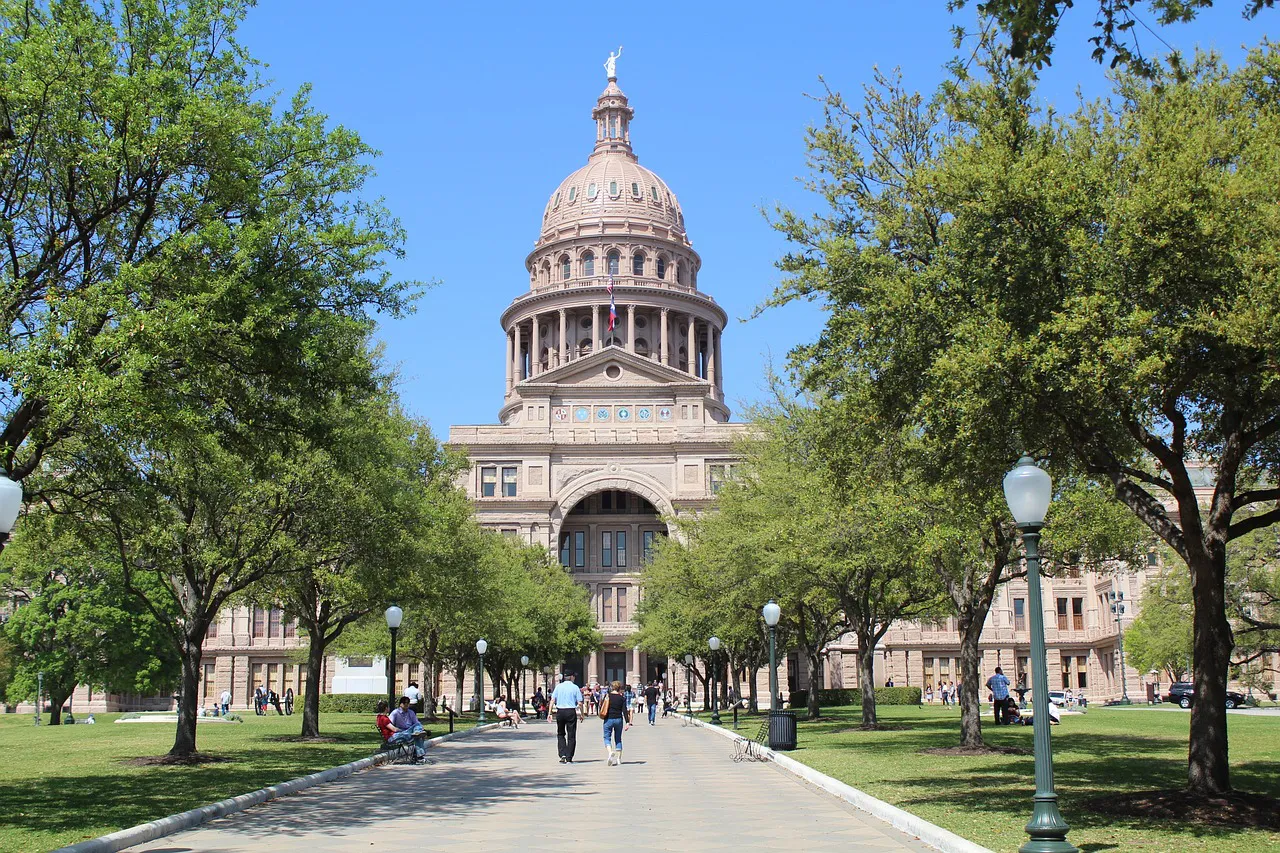


See below for a spotlight on House and Senate interim charges related to local government, including charges related to elections and property taxes, organized by committee.
House
Appropriations Committee
- Monitor: Monitor the implementation and associated rulemaking of legislation passed by the Committee:
- Providing grants to support rural law enforcement and prosecutors
- Maintaining existing property tax relief and significantly increasing the homestead and business personal property tax exemptions
Culture, Recreation, and Tourism Committee
- Livestock Shows, County Fairs, and Rodeos: Examine the economic, cultural, and educational contributions of local livestock shows, county fairs, and rodeos across Texas. Consider the role these events play in preserving the state’s agricultural heritage, supporting youth development programs, and promoting tourism and economic activity in rural and urban communities. Evaluate policy recommendations to promote these longstanding community institutions and enhance resilience in youth livestock exhibition programs and events.
Elections Committee
- Integration of Early and Election Day Voting: Monitor the implementation of SB 2753, relating to the integration of early voting by personal appearance and election day voting, including the manner in which election returns are processed and other related changes. Monitor the working group led by the Texas Secretary of State (SOS) in conjunction with counties. Monitor the statutorily required SOS report and its recommendations for proper implementation. Identify any administrative, funding, or operational issues that may warrant legislative consideration.
Intergovernmental Affairs Committee – Subcommittee on County and Regional Government
- Strengthening County Law Enforcement: Study the ability of counties to recruit, train, and retain officers. Study the disparities between counties in provisions relating to the funding of, contracting with, and employment for law enforcement agencies, and evaluate solutions to strengthen county law enforcement.
- Medical Examiner Expansion: Examine the statutory framework governing county medical examiner offices in Texas, including the population threshold and authorization for intercounty medical examiner districts. Evaluate the number of counties that maintain medical examiner offices and those that rely on justices of the peace. Assess how this framework affects the consistency, timeliness, and professional quality of death investigations across counties and consider potential statutory reforms to strengthen statewide capacity.
Intergovernmental Affairs Committee Subcommittee on State-Federal Relations Committee
- Discontinuation of Penny Production: Study the impact on local governments following the discontinuation of penny production. Consider the necessity of providing local governments with administrative guidance applicable to implementing this change.
Land and Resource Management Committee
- Monitor: Monitor the implementation and associated rulemaking of legislation passed by the Committee:
- HB 24, relating to procedures for changes to a zoning regulation or district boundary;
- SB 15, relating to size and density requirements for residential lots in certain municipalities;
- SB 840, relating to certain municipal regulation of certain mixed-use and multifamily residential development projects and conversion of certain commercial buildings to mixed-use and multifamily residential occupancy; and
- SB 1567, relating to the authority of home-rule municipalities to regulate the occupancy of dwelling units.
- Municipal Utility Districts: Consider the proliferation of municipal utility districts (MUDs) and evaluate their impact on housing attainability and affordability, as well as challenges associated with managing growth. Review the methods by which MUDs are created and identify best practices to ensure sufficient oversight exists.
- Housing Affordability: Examine how the following factors may improve housing attainability and affordability:
- Fees: Examine the collection, use, and oversight of fees imposed by local governments, including impact fees, utility connection charges, permit and inspection fees, and drainage or stormwater fees. Evaluate whether sufficient financial transparency exists and if such fees are used in accordance with their legal authority.
- Pre-Approval of Residential Building Plans: Examine the impacts and feasibility of allowing municipalities to establish processes for the pre-approval and repeated use of residential building plans, including the potential effects on housing supply, affordability, permitting timelines, and local administrative capacity.
Pensions, Investments, and Financial Services Committee
- Monitor: Monitor the implementation and associated rulemaking of legislation passed by the Committee:
- HB 3526, relating to fiscal transparency for bonds issued by local governmental entities.
State Affairs Committee
- Disaster Preparedness, Response, and Recovery: Review the application of current state law as it relates to state and local disaster preparedness, response, and recovery. Review state agency and local government requirements related to training, licensing, education, coordination, and mass fatality operations. Identify beneficial disaster management practices to improve the coordination of communications between governmental entities and streamline response and recovery efforts, including those related to intergovernmental command structures. Evaluate the applicability of other regulatory requirements that hinder disaster response and recovery throughout the state and recommend corresponding statutory or state policy changes.
- Strengthening Interoperable Communications: Examine the establishment of a formal Interoperability Council to coordinate a statewide emergency communications strategy, set interoperability standards, support regional systems, and improve coordination among local, state, and federal first responders. Make recommendations on the council’s governance, membership, authority, funding, and implementation. Propose state policy and strategies to enhance information sharing and integrate advances in new technologies, including telecommunications and electronic technology, to ensure reliable communications during emergencies.
- Public-Private Partnerships: Evaluate state and local public-private partnerships governed by Chapter 2267, Government Code, for effectiveness, competitiveness, and taxpayer transparency. Recommend statutory revisions that encourage public-private partnerships by streamlining and clarifying procedures and obligations.
Ways and Means Committee
- Monitor: Monitor the implementation and associated rulemaking of legislation passed by the Committee:
- HB 103, relating to the creation and maintenance of a database of taxing unit bond, tax, and bond-related project information; and
- HB 148, relating to the qualification of candidates for, and the training and education of members of, the board of directors of an appraisal district.
- Property Tax Relief: Study and consider methods to build on the property tax relief provided by the 89th Legislature. Review the cost and benefits of compressing school district tax rates and increasing the homestead exemption; whether the property tax appraisal system is working as intended, and opportunities to improve the system to benefit homeowners and businesses; and the economic performance of state tax revenue supporting ongoing property tax relief, including the impact of exemptions.
- Local Government Spending: Examine local government spending and debt practices, including the use of certificates of obligation, to determine the overall impact on property tax rates. Evaluate other revenue sources, such as fees, utilized by local units of government to facilitate increased spending. Make recommendations to improve the long-term affordability for Texas families by limiting the growth of local government spending.
Select Committee on Governmental Oversight
- Texas Regulatory Consistency Act: Conduct a full-scale review of local ordinances repealed or modified since the effective date of the Texas Regulatory Consistency Act. Investigate and identify local ordinances that conflict with the Act and determine whether local governments are unlawfully enforcing such ordinances. Review any suits filed to enforce preemption and explore the need for alternative means of enforcement. Identify additional regulatory areas where local governments have sought to supplant the state as the exclusive or primary regulator, directly or indirectly, and make recommendations to help small businesses by reducing regulatory inconsistency.
- Texas Tort Claims Act: Examine governmental immunity and the Texas Tort Claims Act. Review relevant case law and determine whether amendments to the Act are warranted to clarify or update its provisions.
- Safeguarding Taxpayer Funds: Study how local governments appropriate public funds to, or otherwise contract with, third-party consultants and nongovernmental organizations for services, including those related to health and human services, public safety, and homelessness policies. Assess trends in third-party services spending and evaluate risks and benefits. Examine the degree of influence third-party consultants and nongovernmental organizations exert on matters of public policy and make recommendations to prevent conflicts of interest and ensure full transparency and accountability in the expenditure of taxpayer funds.
- Prosecutorial Integrity: Evaluate the involvement of for-profit and nonprofit nongovernmental organizations and consultants in local prosecutorial functions. Identify the impact on prosecutors’ independence and any ethical concerns. Review external entities’ access to case-related information, the allocation or utilization of public funds in support of their activities connected to prosecution, and any impact on prosecutorial policies or individual case decisions. Consider procurement practices, whether scope of work is clearly defined, and transparency sufficiency. Determine whether legislative measures are recommended to ensure that prosecutorial determinations remain grounded exclusively in applicable state law and case-specific facts and are free from undue influence.
Senate
Finance Committee
- Rural Fire Protection Funding: Monitor the implementation of appropriations provided by the 89th Legislature for the Rural Volunteer Fire Department Assistance Program. Examine the distribution of grants for firefighting equipment, training, and protective clothing. Evaluate the impact of the increased funding on reducing the grant application backlog and examine whether the allocation of funds to high-risk wildfire areas is effectively enhancing community safety. Make recommendations for any legislation needed to improve, enhance, or complete the delivery of these critical resources to rural fire departments.
Local Government Committee
- Cutting Property Taxes: Examine Texas property taxes, focusing on homeowners’ school property taxes. Make recommendations to cut Texans’ property taxes by increasing the homestead exemption for all homesteads. Determine the savings for homestead owners attributable to lowering the age of eligibility for the senior homestead exemption and senior tax ceiling from 65 to 55. Additionally, evaluate options to further reduce property taxes for new homeowners.
- Examining the Effect of Increasing the Homestead Exemption: Review and report on the effects of Senate Bill 4 and Senate Bill 23, 89th Legislature, Senate Bill 2, 88th Legislature, 2nd Called Session, Senate Bill 1, 87th Legislature, 3rd Called Session, Senate Bill 2, 86th Legislature, and Senate Bill 1, 84th Legislature, which in combination have increased the homeowners’ school tax exemption from $15,000 to $140,000 for those under the age of 65, and from $25,000 to $200,000 for those 65 and older. Identify the percentage of Texas homeowners that no longer pay school property taxes due to these efforts.
- Removing Barriers to Housing Affordability: Report on the implementation of Senate Bill 15, Senate Bill 840, and Senate Bill 2477, 89th Legislature, and Senate Bill 2038, 88th Legislature. Make recommendations to strengthen property rights as the cornerstone of Texas housing affordability.
- Holding Local Government Fees Accountable: Examine the collection, use, and oversight of fees imposed by local governments, including but not limited to utility connection charges, permit and inspection fees, and drainage or stormwater improvement fees. Evaluate whether these fees are subject to adequate financial transparency requirements and whether independent audits should be required. Make necessary recommendations to enhance accountability and ensure fee revenues are used solely for their intended public purposes.
- Ensuring Transparency in Appraisal District Funding: Study the governance, budgeting authority, and cost allocation practices of county appraisal districts. Examine the fiscal impact of appraisal district costs on taxing entities. Evaluate whether additional guardrails are warranted.
Natural Resources Committee
- Protecting Texas from Wildfires: Study the state’s wildfire prevention and mitigation strategies. Evaluate the effectiveness of fuel management practices, including prescribed burns and mechanical thinning, to reduce fuel loading on public and private lands. Assess the vulnerability of utility infrastructure in high-risk areas and the adequacy of early warning systems. Make recommendations to enhance state and local coordination and improve the long-term resiliency of Texas communities against catastrophic wildfires.
State Affairs Committee
- Maintaining Election Security: Study ways to enhance election security and guarantee poll watcher access. Further evaluate county election administration and local election officials and any recent attempts to circumvent state law. Make recommendations to ensure the security and integrity of Texas elections.
- Ensuring Efficiency in Texas Elections: Study different methods counties employ regarding the marking and counting of ballots. Review the designation of polling locations for a specific political party during primary elections. Make recommendations to ensure elections are conducted efficiently and securely.